
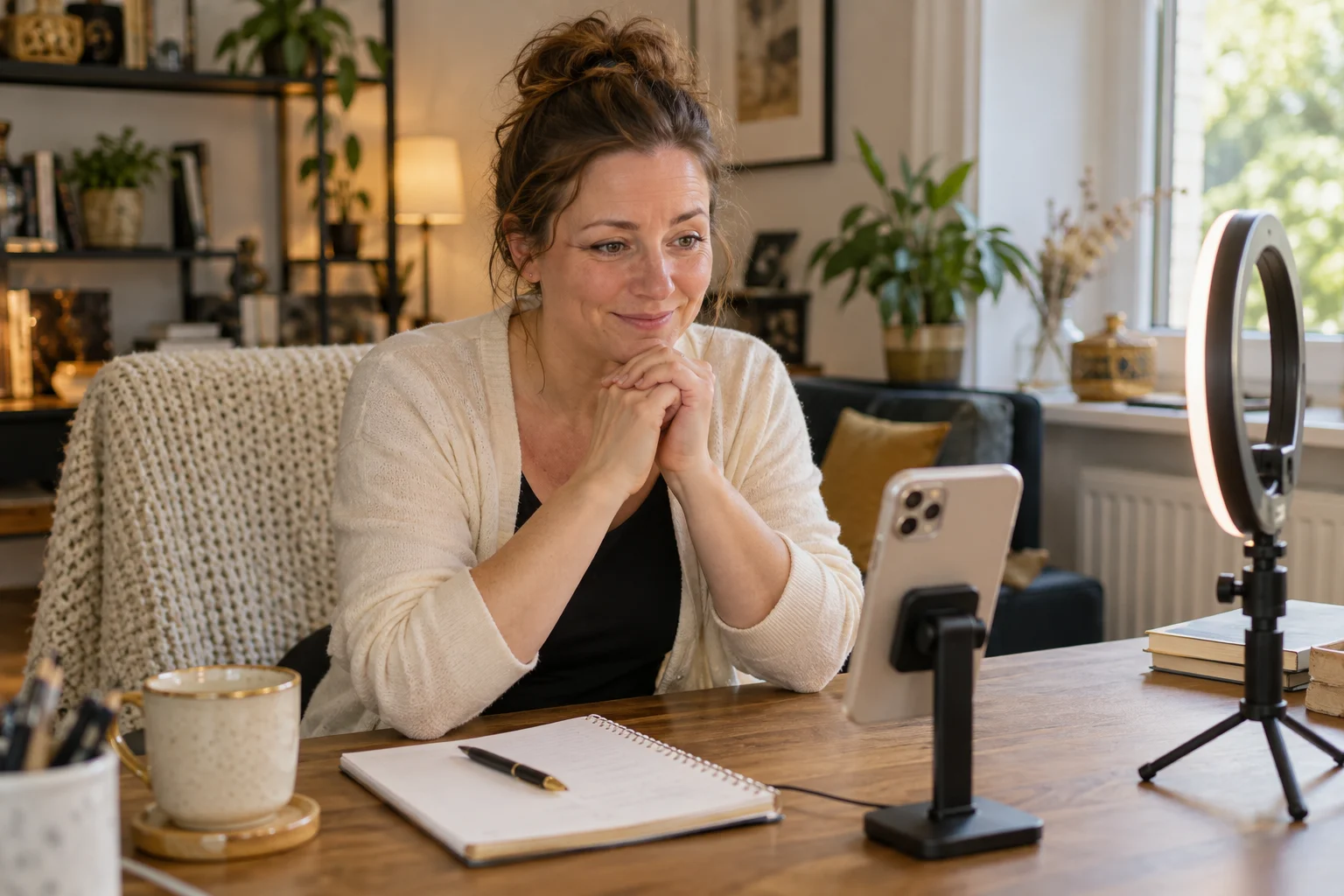
Before you turn on the camera, give your mindset a moment to catch up. LIVE hosting asks you to be present, start conversations and stay welcoming—even when the room does not respond the way you hoped. At Mindset Live Entertainment, we believe confidence grows through preparation, practice and the decision to keep learning.
One difficult LIVE does not define your potential. You can feel disappointed and still choose a helpful next step. You do not have to pretend every moment feels good to become a positive, encouraging host.
Expect the moments that can test you
A slow room can make you question whether anyone wants to listen. A quiet chat can leave you searching for words. Viewers may enter and leave without saying hello. Gifts may not come, your follower count may barely move, or a technical problem may interrupt your flow. Seeing another creator with a busy room can make your own progress feel smaller than it is.
These moments can feel personal. They are not a reliable measure of your worth or your future. Instead of asking, “What is wrong with me?” ask, “What can I try next with the room I have?”
Prepare your mind before you press LIVE
Take a few slow breaths, check your lighting and sound, and choose one useful thing your viewers will receive: a helpful idea, a laugh, an encouraging conversation or a fun activity. Write down three backup topics and one simple opening question. A little preparation gives you something to return to when nerves take over.
Set a goal you can control. Try greeting each new viewer without pressuring them to respond, asking three easy conversation questions, or practicing a clear introduction. Audience numbers and gifts can fluctuate; your preparation and effort are actions you can guide.
When the room gets quiet, lead with warmth
Keep offering something worth staying for. Share a short story, explain what the room is about, introduce a game or invite an easy choice: “Would you rather start with a quick trivia question or a feel-good song?” Give people time to settle in. Some viewers enjoy listening before they feel ready to chat.
Try this reset: “If you just joined, welcome! We’re sharing small wins today. You can join the conversation or just hang out with us.” A welcoming room makes space for participation without making anyone feel called out.
Keep gifts in perspective
It is understandable to want your effort to help you earn. Still, a session with few or no gifts can include meaningful practice, a new connection or someone choosing to return. Thank supporters sincerely, including people who watch, chat or share. Gifts should always be voluntary. Avoid guilt, pressure or promises that a gift will guarantee attention or a result.
Choose a positive response—not forced positivity
If you feel discouraged, pause, breathe and return to your next prepared topic. If a viewer becomes disrespectful, set a calm boundary and use available moderation tools when needed. You do not need to argue, tolerate mistreatment or perform happiness through exhaustion. Protecting the atmosphere of your room is part of being a host.
Trade comparison for useful reflection
You see another creator’s room today, not every quiet session that helped them get there. Learn from what they do well without using their numbers to judge yourself. After your LIVE, write down one thing that worked, one moment that challenged you and one change to practice next time. Review patterns across sessions instead of letting one difficult broadcast tell the whole story.
Consistency makes room for improvement
Choose a realistic LIVE schedule you can maintain, prepare for it and return with a willingness to adjust. Consistency gives you repeated chances to practice your delivery and gives viewers opportunities to find you again. It is a commitment to learning, not a promise of a specific audience size, income or timeline.
Rest belongs in that plan. If you miss a session, decide when you will return and take the next manageable step. You are building a sustainable habit, not proving that you can work without limits.
Your next-LIVE mindset checklist
Before: Choose your room’s purpose, prepare three backup topics and set one practice goal.
During: Welcome people warmly, invite participation without pressure and reset when the energy changes.
After: Celebrate one small win, note one lesson and plan your next session.
Keep this reminder close
“I do not need a perfect room to practice being a strong host. I can bring value, learn from today and show up prepared again.”
Your energy, patience and consistency can make a meaningful difference in how you host and how your community experiences your room. Start with the audience you have. Give them a reason to feel welcome. Then keep building—one LIVE at a time.